Aging Well Is Not Accidental: The Retreats Designed Around a Longer and Healthier Life
Somewhere around 50, your body stops rewarding effort and starts demanding strategy.
You eat well. You exercise. You get your annual bloodwork done. Recovery takes longer anyway. Energy is less predictable. Sleep, once reliable, has become negotiable.
You are doing everything right. And it is not quite enough.
This is not a personal failure. It is biology. And a new category of retreats has been built specifically around that fact.
Not a Spa. A Protocol.
A longevity retreat is not a glorified spa break. It is a medically supervised, data-driven program built around one question: how do you help a high-functioning woman's body stay that way for the next 30 years?
At places like SHA Wellness Clinic in Spain or Clinique La Prairie in Switzerland, you arrive not for massages and meditation (though those exist), but for diagnostics. Blood panels. Hormonal assessments. Cellular age tests. Sleep studies. The first two days often look more like an elite medical check-up than a vacation.
What comes next is a program built around your biology. Not a general template.
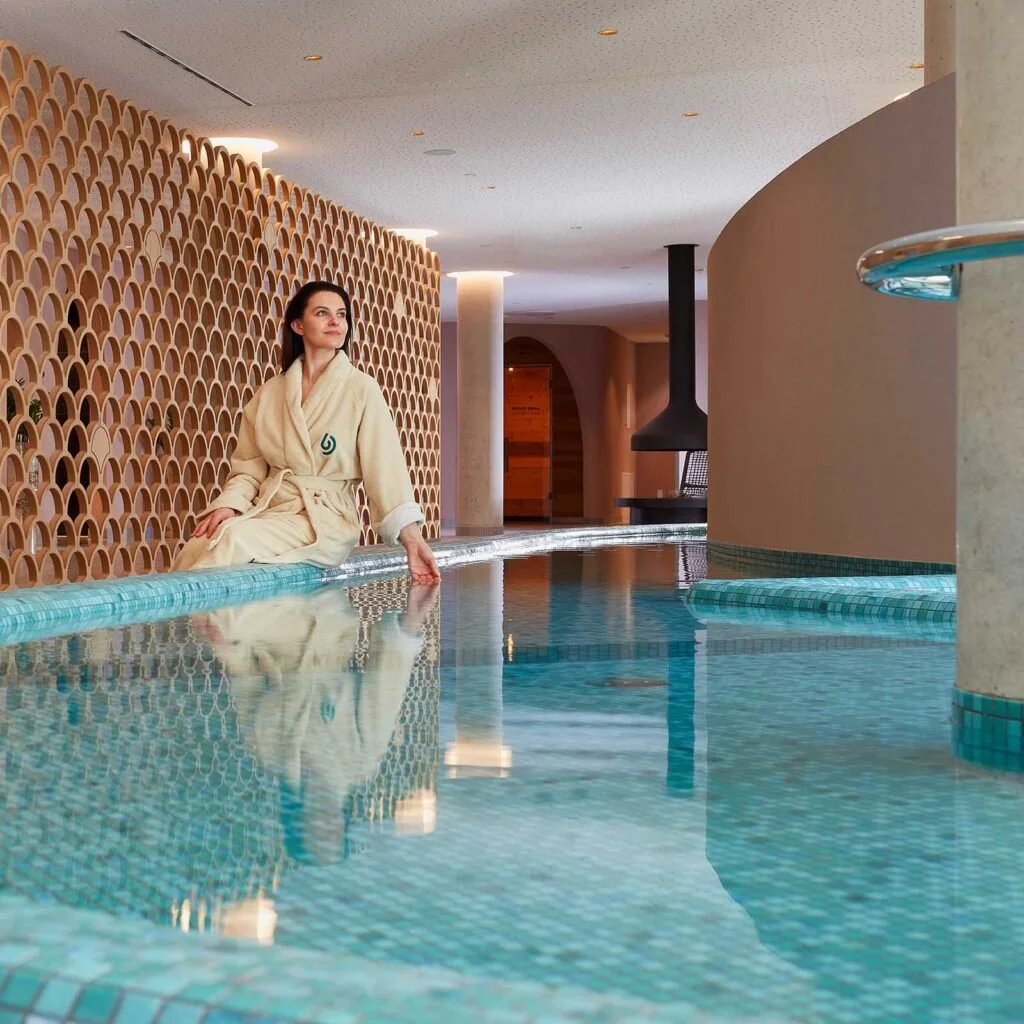
What Longevity Retreats Actually Address
The best retreats work across several pillars at once.
Nutrition is recalibrated, not in a detox sense, but based on your actual metabolic data. Sleep is treated as a clinical priority, not a lifestyle suggestion. Hormonal health, often the most under-discussed variable in women's vitality after 45, gets serious attention.
Cellular health is where things get interesting. Many programs now incorporate treatments targeting inflammation, mitochondrial function, and biological aging markers. Six Senses and Lanserhof Tegernsee, for instance, have built entire longevity programs around the science of how cells age and what slows that process.
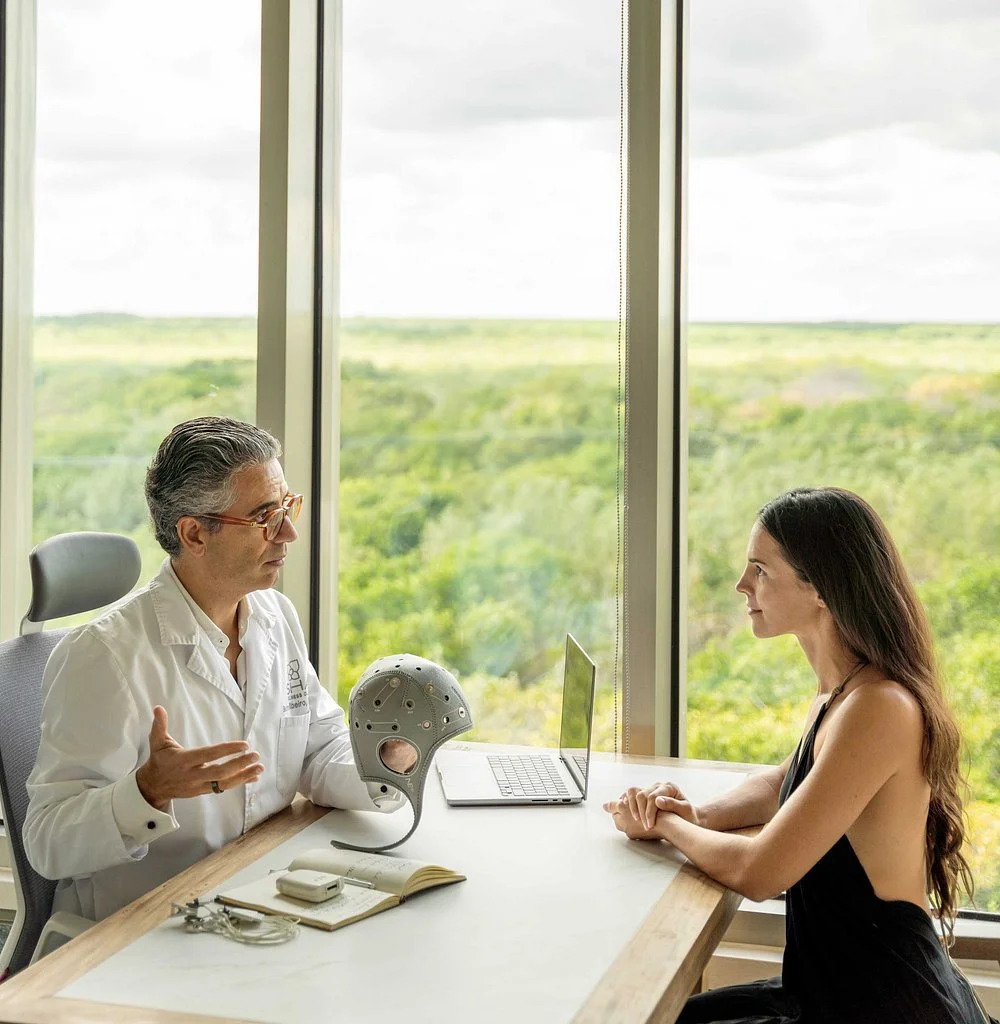
You leave with protocols. Not intentions.
The Shift From Anti-Aging to Longevity
Anti-aging promises to reverse the clock. Longevity science works with it.
The women booking these retreats are not chasing 30. They want to be sharp, strong, and healthy at 70, 80, beyond. The question has shifted from "how do I look younger?" to "how do I feel better for longer?" That distinction matters. And the best retreats are built around it.
What to Look For
Not every retreat using the word "longevity" delivers on it. The differentiators are worth knowing.
Look for an in-house medical team, not just wellness coaches. Look for individualized diagnostics, not a standard program applied to everyone. Look for evidence-based protocols, meaning actual science, not trend. And pay attention to what you take home: a clear roadmap for sustaining results, not just a beautiful week that fades by October.
The Investment Question
These retreats are not cheap. A serious longevity program runs anywhere from $10,000 to $30,000 for a week. That number gives some women pause.
It should not.
You will spend more over a lifetime of piecemeal wellness purchases that never quite add up to a strategy. One well-chosen longevity retreat gives you a complete picture of your health and a personalized plan that lasts years.
Aging well is not accidental. It starts with knowing where you actually stand, and deciding to do something deliberate about it.
Ready to find the longevity retreat that is right for you? Book a call with me and we will find it together.